Introduction
In today's fast-paced workplace, safety is paramount. Organizations are significantly recognizing the value of developing a secure room for workers. Among one of the most vital elements of work environment safety and security training is first aid and mouth-to-mouth resuscitation (Cardiopulmonary Resuscitation) programs. These courses not just encourage employees with important life-saving abilities but additionally cultivate a culture of safety within the organization. In this article, we will certainly explore the myriad reasons that work environment security training need to include emergency treatment and CPR training courses, underscoring their significance in boosting office safety.
Why Work environment Safety and security Training Should Include First Aid and Mouth-to-mouth Resuscitation Courses
The assimilation of emergency treatment and mouth-to-mouth resuscitation programs right into office safety training has far-ranging benefits. They outfit workers with the understanding and skills required to respond properly to clinical emergency situations, reduce recovery time for injured individuals, and possibly conserve lives. Additionally, having educated employees on-site CPR training in Mackay can instill self-confidence amongst staff members and reassure them that their wellness is prioritized.
Understanding Initial Aid
First aid refers to the prompt treatment offered to an individual struggling with a minor or major ailment or injury until expert medical assistance shows up. Comprehending basic emergency treatment principles can make a substantial distinction in emergency situations.
Key Parts of First Aid
Assessment: The capability to analyze a situation swiftly can assist figure out the appropriate activities needed. Stabilization: Understanding how to maintain a hurt person prevents further harm. Communication: Successfully interacting with emergency solutions is vital for prompt assistance.The Significance of CPR
CPR is a life-saving strategy utilized in emergencies when somebody's heart beat or breathing has stopped. It entails chest compressions and rescue breaths to keep blood circulation and oxygenation till expert assistance arrives.

How CPR Works
- Chest Compressions: These help distribute blood throughout the body. Rescue Breaths: These supply oxygen to the lungs.
Benefits of Emergency treatment and CPR Certification
Obtaining an emergency treatment certificate or completing CPR programs includes many advantages, both for people and organizations.
Enhanced Staff member Confidence: Staff members feel much more secure recognizing they possess life-saving skills. Reduced Healing Time: Quick response through emergency treatment can result in better results for hurt individuals. Compliance with Regulations: Many markets need licensed personnel as part of their health and safety regulations.Creating a Society of Safety And Security Through Training
Implementing emergency treatment and CPR training fosters a society that focuses on employee wellness.
Encouraging Teamwork
Training sessions usually entail team-building workouts that improve cooperation amongst employees.
Building Trust fund In between Workers and Management
When monitoring buys worker training, it reveals dedication to their wellness, resulting in boosted morale.
First Aid Gushes vs. CPR Courses: What's the Difference?
While both kinds of training courses are necessary, they focus on different ability sets.
First Help Courses
These courses cover a large range of topics beyond simply cardiac emergency situations, including:
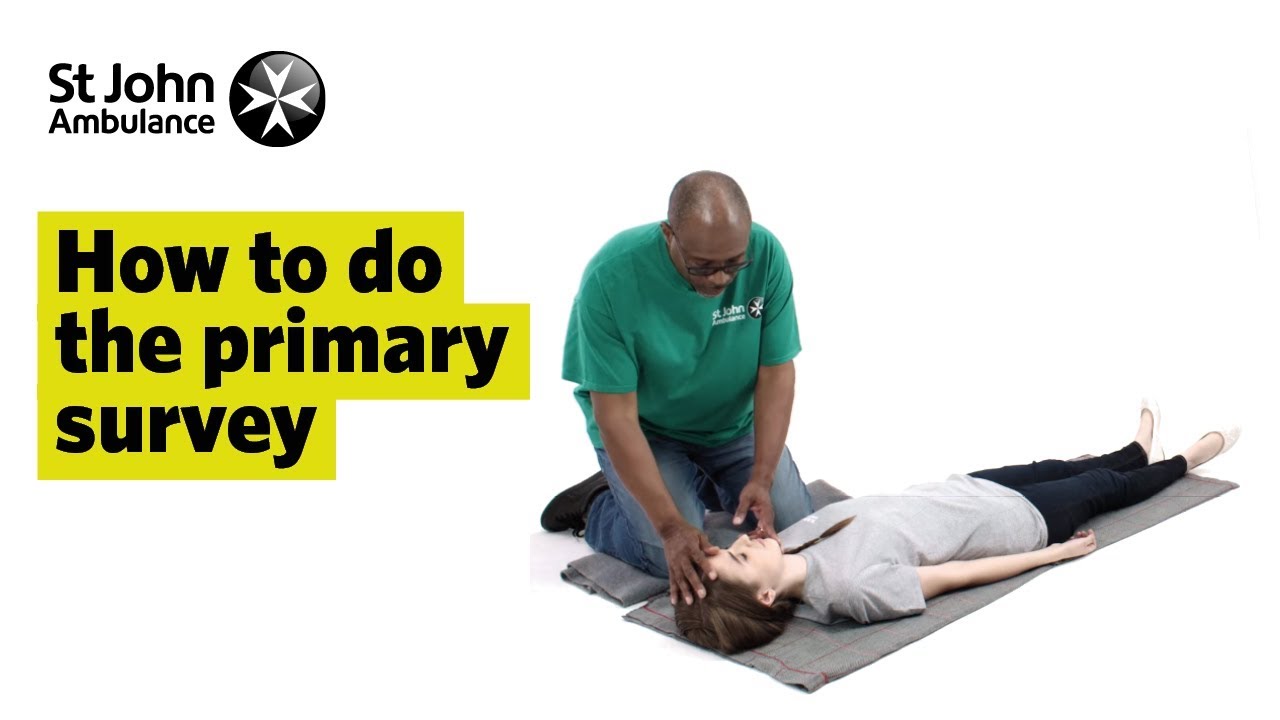
- Wound care Burns Choking
CPR Courses
CPR training courses particularly concentrate on strategies connected to heart attack circumstances, stressing:
- Adult CPR Child/ infant resuscitation Use of an Automated External Defibrillator (AED)
Choosing the Right Training Provider
Not all training providers are produced equal; for that reason, picking one that meets your organization's demands is critical.
Accreditation Matters
Ensure that your picked service provider provides recognized courses acknowledged by appropriate authorities.

Instructor Experience
Consider instructors' qualifications; skilled trainers often offer richer learning experiences via real-world examples.
Incorporating First Aid into Office Safety Policies
Organizations must incorporate first aid needs into their wider security plans for extensive coverage.
Regular Training Updates
Conducting regular correspondence course guarantees that expertise remains current amongst employees.
Creating Emergency Reaction Plans
Having clear strategies in place can guide skilled employees during emergencies.
Legal Implications of First Aid Training in the Workplace
Employers have lawful duties regarding office safety; carrying out emergency treatment training can help mitigate risks related to non-compliance.
Negligence Claims
Failure to offer appropriate training might leave employers susceptible to legal actions if a case occurs as a result of absence of preparedness.
FAQ Section
What is included in a normal emergency treatment course?- A normal first aid course includes instruction on analyzing injuries, treating injuries, taking care of burns, taking care of choking incidents, and doing mouth-to-mouth resuscitation if necessary.
- Most mouth-to-mouth resuscitation training courses last in between 4-- 6 hours depending on whether it's standard or innovative training.
- While not constantly legally mandated, having accredited employee can dramatically enhance work environment security standards.
- Many approved companies supply on the internet renewal alternatives for emergency treatment certificates which include evaluations by means of video clip conferencing.
- Yes, sectors such as construction, medical care, education and learning, and production typically have governing requirements necessitating experienced workers on site.
- It's advised that workers participate in refresher courses every 2 years or earlier if there are substantial changes in procedures or regulations.
Conclusion
To summarize, integrating emergency treatment and mouth-to-mouth resuscitation into workplace security training is not merely an option yet a need in today's work environments where emergencies can emerge at any moment. Organizations benefit exceptionally from having trained personnel prepared to respond successfully throughout dilemmas while fostering an environment where employee well-being takes priority over all else. Consequently, it ends up being noticeable why workplace safety training ought to include first aid and mouth-to-mouth resuscitation programs-- they conserve lives while advertising a proactive approach toward health and safety standards within organizations throughout various sectors.
By prioritizing such essential training campaigns-- first aid certifications gotten via reliable companies together with useful hands-on experience-- business can considerably boost their overall emergency situation readiness degrees while likewise developing stronger groups capable of tackling any situation head-on!